

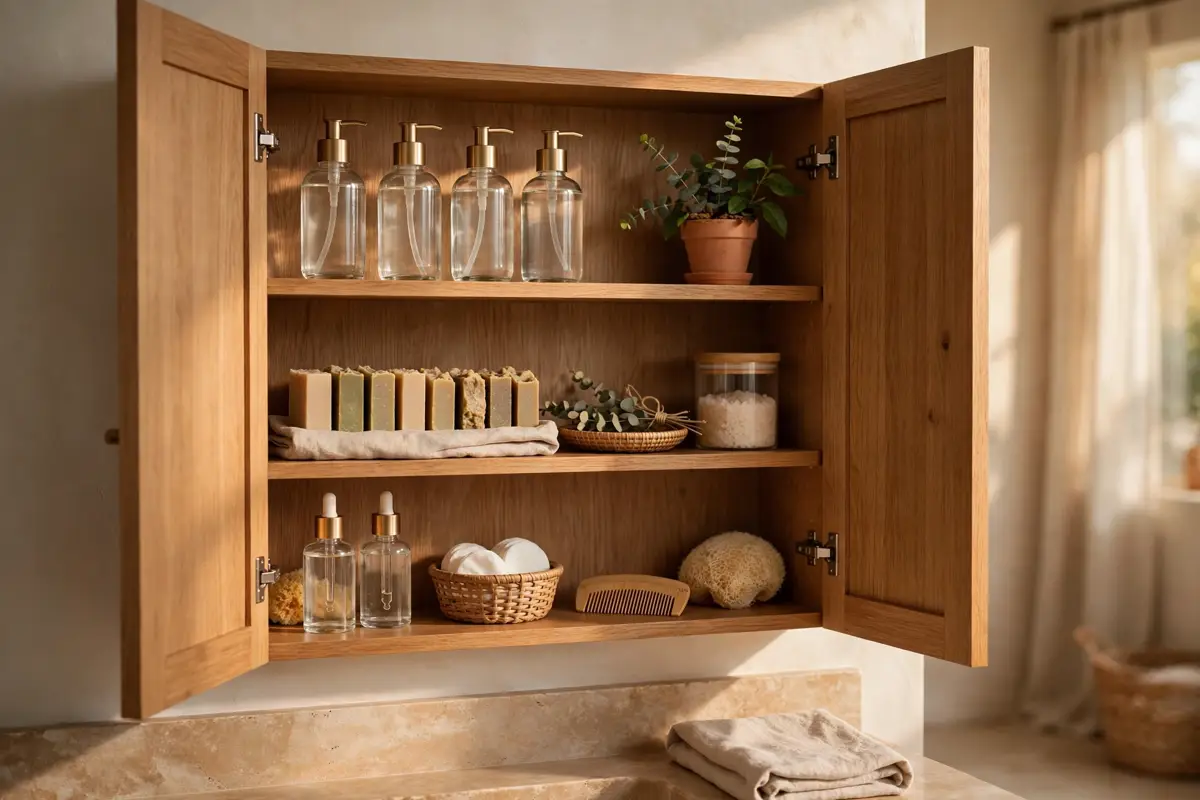
Sustainable beauty is about making beauty choices that are kinder to the planet without making your routine complicated, expensive or joyless. In simple terms, it means thinking about where ingredients come from, how a product is made and packaged, how long it lasts, and what happens when it is finished. It is not about perfection, and it is not about throwing away everything you own. Instead, it is a practical way to buy a little more carefully, use what you buy fully, and create less waste over time.
This guide explains sustainable beauty in plain, established terms. You will find what to look for in cosmetics and skincare, how packaging choices matter, and how to spot vague marketing claims. You will also find realistic steps for UK readers, with a value angle throughout. After all, the most sustainable product is often the one you already own and actually finish.
What Sustainable Beauty Means
At its heart, sustainable beauty looks at the whole life of a product, not just the moment you use it. That life begins with ingredient sourcing. Ingredients should be chosen and obtained responsibly, with care for the people and places involved. It continues through making and transporting the product, then through the weeks or months you use it at home. Finally, it includes what happens to the container and any product that is left. A more sustainable choice reduces harm at as many of those stages as is realistically possible.
Product lifespan matters just as much as ingredients. A well-made product that suits you, lasts well and is used to the end is usually a better choice than a fashionable alternative that sits half used in a drawer. Likewise, a simple routine can create less waste than a shelf full of overlapping products. Sustainability, in this sense, is not a separate category of beauty. It is a way of judging every beauty purchase more carefully.
Sustainable Cosmetics in Everyday Life
Sustainable cosmetics are everyday make-up and personal care products designed and chosen with that whole-life view in mind. In practice, that can mean a considered ingredient list, packaging that is refillable or widely recyclable, and a format that is easy to use up. It can also mean honest labelling, so you can understand what you are buying. No single feature makes a product sustainable on its own, so it helps to look at the overall picture rather than one eye-catching claim.
Concentrates and solid formats are useful examples. A solid shampoo bar, cleansing balm or soap bar removes the need for some liquid packaging, and it can be simple to store and travel with. Concentrated refills can also reduce the amount of packaging used for each new supply, provided you will genuinely use them. When you compare options, our guide to the best beauty products can help you weigh suitability, price and practicality alongside sustainability.
Sustainable Skincare Without the Waste
Sustainable skincare follows the same principles, but it starts with your skin. The most careful choice is a product you need, in a routine you can keep up, in an amount you will finish before it goes out of date. A short, consistent routine often makes that easier. Cleanse, moisturise and protect your skin in the way that works for you, then add extra steps only when they have a clear purpose. Fewer, well-chosen products can mean less clutter, less waste and less money spent on duplicates.
Refillable skincare containers, recyclable jars and larger sizes you will truly finish can all help, but size is not automatically better. A large bottle that expires half used is not good value. Equally, a small product that you love and finish may be the wiser buy. Store products as directed, keep lids clean and closed, and use the oldest suitable product first. These small habits protect both your skin routine and your budget.
Sustainable Beauty Packaging: What to Look For
Sustainable beauty packaging is packaging designed to reduce waste and to be reused, refilled or recycled more easily. Clear labelling matters, because a container is only recyclable in practice if you know what to do with it and local facilities accept it. Simpler packaging, with fewer mixed materials and less unnecessary wrapping, is generally easier to deal with than elaborate boxes, extra sleeves and layers that serve no real purpose.
When you shop, look for packaging that:
- Can be refilled and kept in use
- Is clearly labelled for recycling
- Uses as little extra material as possible
- Protects the product properly, so it is not wasted
- Is sturdy enough to last for the product’s whole life
Remember that packaging is only one part of the picture. A refillable container for a product you dislike will still be wasted, so always judge the product and its packaging together.
Eco Friendly Beauty Habits and Zero Waste Beauty
Eco friendly beauty is often less about buying new things and more about changing small habits. Finish a product before you replace it, where it is safe and still in date to do so. Cut open suitable tubes, turn bottles upside down for a short while, and use the last of a product rather than leaving it behind. Choose multi-use products where they genuinely suit you, such as a balm you use on lips and dry patches. Each habit is modest, but together they reduce waste.
Zero waste beauty takes this further by aiming to send as little as possible to landfill. That might involve solid formats, reusable cotton pads you wash, refillable containers and careful recycling of empties. It does not have to be absolute to be worthwhile. Using things up also saves money, because you delay the next purchase and get full value from the last one. For a value-conscious reader, waste and cost are often two sides of the same decision.
Green Beauty and How to Spot Greenwashing
Green beauty is a broad description for products presented as more natural, environmentally considerate or both. The difficulty is that the words on a label are not always specific. Words such as clean, pure, eco and natural can sound reassuring while explaining very little. Greenwashing happens when marketing makes a product seem greener than the evidence supports, for example by highlighting one small feature while ignoring packaging, sourcing or waste.
How to Spot Vague Claims
Start by asking what a claim actually means. Which ingredient is involved, and in what way? Is the packaging refillable, recyclable or simply described as green? Does the brand explain how a take-back or refill scheme works? Specific, checkable information is more useful than a leaf symbol or a countryside image. If a claim cannot be explained clearly, treat it as marketing rather than proof.
What Genuine Certification Means
Genuine certification, in general terms, means an independent body has checked a product or brand against a published standard. That is different from a logo a brand has designed for itself. Look for the name of the certifying scheme, what it covers and what it does not cover. Certification can be a helpful sign, but it is still one part of your decision, alongside ingredients, packaging, price and whether you will use the product.
Circular Beauty: Keeping Products and Packaging in Use
Circular beauty is about keeping products, containers and materials in use for longer instead of following a straight line from purchase to bin. Refill stations are one example, where you return with a suitable container and refill it. Take-back schemes are another, where a brand or retailer accepts used packaging back for reuse or recycling. Packaging designed for reuse, with a durable container and a replaceable inner product, also fits this idea.
The UK beauty industry includes retailers and brands offering different versions of these ideas, so always check the details of a local scheme before you travel or save packaging. A scheme only works well when returning or refilling is convenient enough that you will actually do it.
The Beauty Carbon Footprint, Explained Simply
The beauty carbon footprint is a way of thinking about the climate impact linked to a product across its life. Transport is one part, as ingredients and finished products may travel before they reach a UK shelf or your front door. Packaging is another, because making and disposing of containers uses resources and energy. Water also matters, both in making products and in using them at home, such as rinsing and washing. This article does not attach figures to those impacts, because they vary greatly by product.
You do not need exact figures to make sensible choices. Buy what you will use, avoid unnecessary extra deliveries where you can, choose durable or refillable packaging when it suits the product, and do not waste hot water without thought. Thoughtful use will usually serve both sustainability and value.
Practical Steps for UK Readers
You do not need to replace your whole bathroom cabinet. Start with the next purchase, and with the products already in your home. That is sustainable beauty at its most practical.
- Use up open products first, and keep a simple list of what you own.
- Buy one replacement at a time, so you can judge whether you like it.
- Choose refillable or recyclable packaging when the product itself is right for you.
- Try a solid or concentrated format when you next need that type of product.
- Check recycling and refill instructions, because local collection rules vary across the UK.
- Keep reusable pads, containers and tools clean and in regular use.
- Question vague green claims, and look for specific information before you pay more.
Build these steps into your normal shopping, rather than treating them as a short challenge. When something runs out, pause before replacing it. Did you enjoy it? Did you finish it easily? Could one product do two jobs? This kind of review improves your routine as well as your spending, and it stops your shelves filling up again with products you do not need.
Sustainable beauty is not about buying a perfect routine. It is about making each choice a little more thoughtful: sourcing and ingredients, packaging and waste, product lifespan and honest claims. Start small, finish what you own, refill or reuse where you can, and choose products you will value to the last use. That approach is better for your budget, simpler to maintain, and kinder to the planet.