

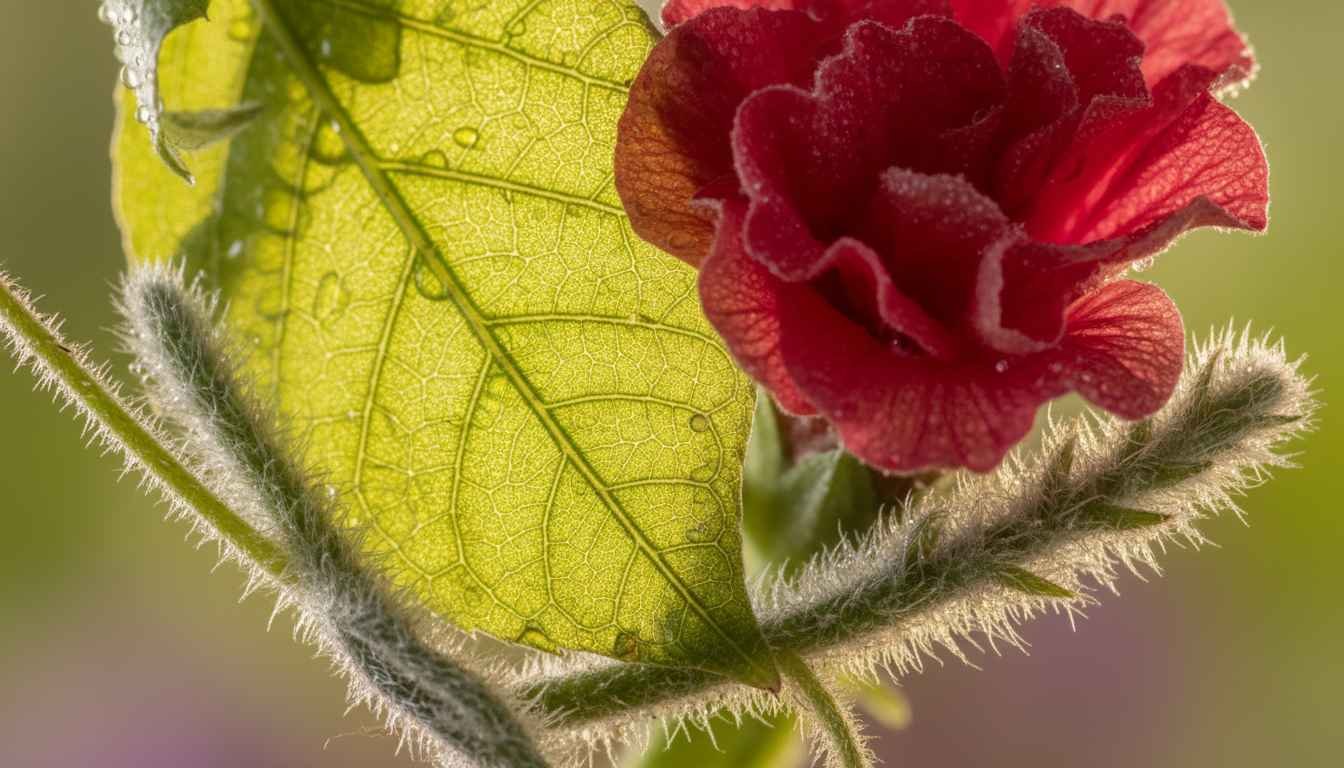
The early bird catches the worm, and in the world of macro photography, the early photographer catches the dewdrops. As spring unfolds, photographers around the globe are revisiting their gardens, local parks, and urban green spaces with an eye for the minute wonders that often go unnoticed. Tiny veins of leaves, the intricate symmetry of petals, and the delicate textures of moss suddenly take center stage under the lens. Macro photography of plants offers not just aesthetic pleasure, but a meditative escape into the quiet elegance of nature.
In recent weeks, social media has been abuzz with close-up plant photography, sparked by the viral trend of “micro nature” challenges. Hobbyists and professionals alike are pushing the limits of their gear, exploring the hidden lives of plants from angles previously reserved for scientific journals. With the right tools, even a modest backyard can become a vast landscape of photographic opportunity. Essential accessories like ring lights, precision tripods, and specialized lenses enhance your ability to capture these delicate details. For those exploring this genre seriously, NEEWER provides equipment that elevates the art without breaking the bank.
Macro photography is not merely about magnification. It demands patience, observation, and a respect for natural light. Morning hours are often best, as soft sunlight illuminates the subject without harsh shadows, while dew adds an ephemeral sparkle. Each plant, from the tiniest fern to the most robust sunflower, tells a story that only a close-up lens can reveal. Understanding depth of field is critical; shallow focus can isolate a single stamen or leaf vein, emphasizing intricate patterns that would otherwise be overlooked.
Troubleshooting Common Challenges
| Problem | Solution |
|---|---|
| Shaky images due to hand movement | Use a sturdy tripod or a tabletop mount to stabilize your camera. |
| Poor lighting on small subjects | Incorporate ring lights or LED panels to evenly illuminate your subject. |
| Blurry focus on tiny details | Switch to manual focus and focus stacking techniques for sharpness. |
| Background distractions | Use a shallow depth of field or a neutral backdrop to isolate the subject. |
| Wind moving delicate plants | Shoot indoors or use wind blockers and clamps outdoors. |
Despite its allure, macro photography of plants requires more than technical skill. It requires curiosity and a willingness to slow down. Many photographers report a meditative quality, noticing patterns and colors in leaves they had never seen before. Equipment can assist, but the photographer’s eye remains paramount. Experimentation with angles, lighting, and even water droplets can transform ordinary plant shots into breathtaking compositions.
Potential Drawbacks
Macro photography isn’t for everyone. It can be physically demanding, often requiring crouching, kneeling, or holding positions for long periods. The setup time for lights, reflectors, and tripods may frustrate those seeking quick snapshots. Additionally, extreme close-ups can magnify imperfections, which may be discouraging for beginners. Awareness of these challenges helps manage expectations and ensures that the pursuit of tiny details remains a joyful experience rather than a source of stress.
Who Should Avoid This?
If patience isn’t your strong suit or if your interest in photography leans toward dynamic action shots rather than meticulous observation, macro plant photography may not provide the satisfaction you seek. Likewise, those unwilling to invest in stabilizing tools or specialized lenses might find the learning curve steep. This isn’t a discipline to rush; it rewards those who can dedicate both time and focus to the subtleties of the natural world.
As the macro photography movement grows, it’s fascinating to see both novices and seasoned photographers sharing their close-up explorations of plant life. From capturing the spiral of a fern to the dew-kissed petals of a morning glory, each frame invites viewers to reconsider the complexity and beauty of what we often take for granted. Whether through a high-end lens or a carefully chosen entry-level setup, diving into this niche can reshape the way we perceive our green companions.
In the end, macro photography of plants is a celebration of life in its smallest forms. It reminds us that even the humblest leaf or tiny blossom carries infinite detail, waiting to be discovered. For those willing to take the time, the results are not just photographs – they are windows into a secret, miniature universe.