

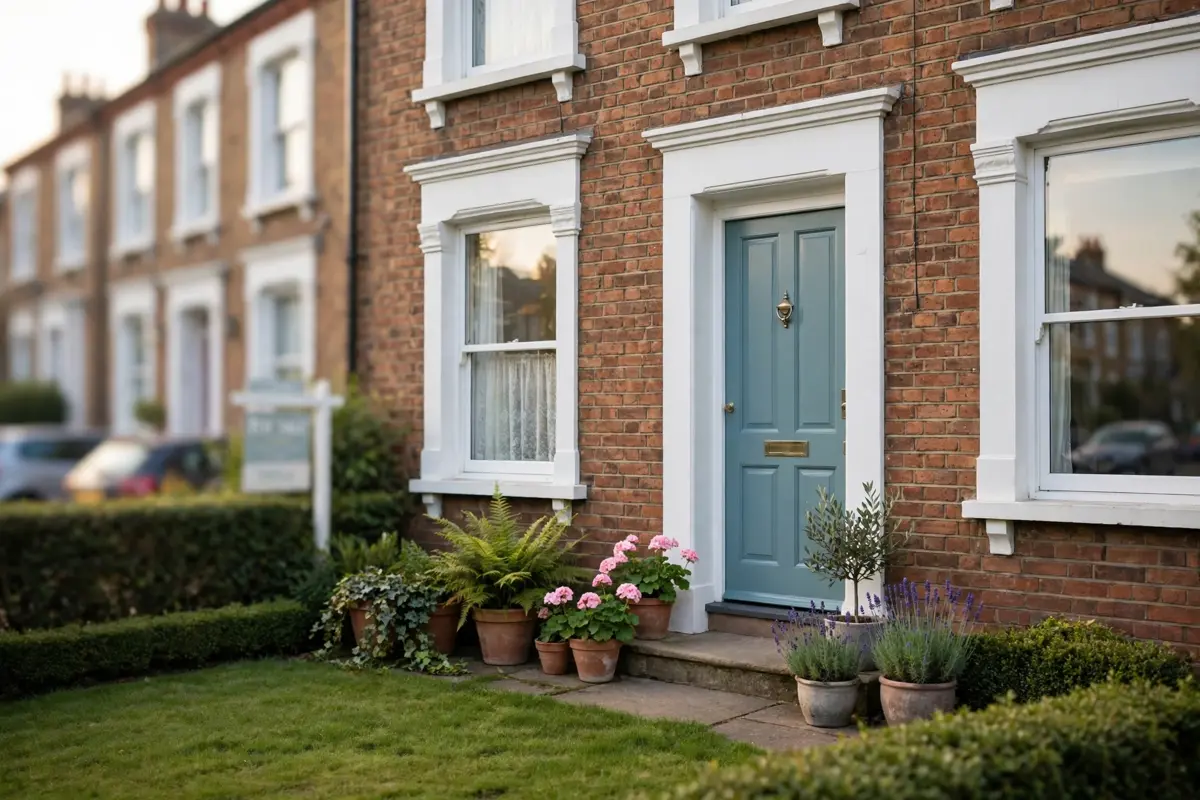
Deciding to prepare your home for sale is about more than a quick tidy-up before the photographer arrives. Buyers form an impression within moments of walking through the door, and the homes that achieve strong prices are usually the ones where the seller has thought carefully about presentation, minor repairs and first impressions. The good news is that adding value rarely requires a new kitchen or an extension. This guide explains the practical, affordable steps that help a property sell faster and for the best achievable price.
Start with the buyer’s point of view
Before spending anything, walk through your home as if you were viewing it for the first time. Note the chipped paint you stopped seeing months ago, the dripping tap, the hallway that feels dark at midday. Buyers notice these details instantly, and each one quietly chips away at the offer they are willing to make. A short, honest list of flaws — written down room by room — becomes your preparation plan. Estate agents consistently report that well-presented homes attract more viewings, and more viewings mean more competition between buyers.
Declutter and depersonalise
The single most effective free improvement is space. Pack away surplus ornaments, family photographs, children’s artwork and anything that makes rooms feel personal or crowded. Buyers are trying to imagine their own life in the property, and neutral, uncluttered rooms make that much easier. Clear kitchen worktops down to one or two attractive items, thin out wardrobes so storage looks generous rather than stuffed, and remove bulky furniture from small rooms where possible. If you cannot part with things, short-term storage for the duration of the sale is often money well spent.
Fix the small things first
Repairs that buyers always notice
Work through the maintenance list that every household accumulates: leaking taps, stiff door handles, cracked tiles, peeling bathroom sealant, blown light bulbs and scuffed skirting boards. If a job is beyond confident DIY, our guides to handyman services in the UK and finding carpenter services near you explain how to hire well and what fair work looks like.
None of these is expensive to fix, yet together they send a powerful signal. A home with a dozen small faults suggests a home that has not been cared for, and buyers start wondering what bigger problems might be hiding. A home where everything works suggests the opposite.
Deep clean, including the forgotten places
Go beyond the weekly clean. Wash windows inside and out, clean grout, degrease the oven, wipe down woodwork and shampoo carpets if they are marked. Pay attention to smells, too: cooking odours, damp and pet smells linger in soft furnishings, so air the house thoroughly before viewings and keep pet bedding freshly washed.
Affordable updates with an outsized impact
Paint in neutral tones
A fresh coat of paint in a soft, neutral colour is the cheapest transformation available. It brightens tired rooms, covers the scuffs of daily life and gives the whole property a cared-for feel. If the front door is faded or peeling, repainting or replacing it is a small job that disproportionately improves the all-important first photograph and kerb-side impression.
Kerb appeal
Buyers often drive past before booking a viewing, so the exterior deserves an hour of attention: mow and edge the lawn, sweep paths, weed borders, clean the doorstep and make sure the house number is visible. A couple of healthy pots by the door do more for first impressions than any expensive landscaping at this stage.
Light and warmth
Bright homes feel bigger and more welcoming. Open curtains fully for viewings, replace dim bulbs, and add a lamp to any corner that stays dark. In colder months, have the heating on so the property feels comfortable the moment buyers step inside.
Rooms that sell the house
Kitchens and bathrooms carry the most weight in a buyer’s decision. You do not need to replace either: regrouting tiles, updating cupboard handles, replacing a tired shower curtain and staging the kitchen with clear, styled worktops can make an older suite look intentional rather than dated. Gardens and outdoor space deserve the same treatment as the interior. A mown lawn, swept patio and a couple of chairs set out on a terrace help buyers picture summer evenings in the property, and even a small balcony feels more generous once clutter and dead plants are cleared away. If a major appliance has given up entirely, our guide to kitchen appliance installation services explains what a proper fitting involves before you decide whether to replace or disclose.
In bedrooms, crisp neutral bedding and made beds signal restfulness; in living areas, arrange furniture to show how the space is used rather than pushing everything against the walls.
If you are planning practical work before listing, our home services coverage includes guides to finding reliable tradespeople and preparing for common jobs around the house, which pair naturally with the steps in this guide.
What not to spend money on
Resist major projects undertaken purely for the sale. New kitchens, bathrooms and extensions rarely return their full cost in the short term, and buyers often prefer to make big changes themselves. Likewise, highly personal decoration — bold feature walls, themed children’s rooms — is better neutralised with paint than extended. Spend on condition, cleanliness and presentation first; those are the qualities every buyer values, whatever their taste.
Price realistically from day one
Preparation works hand in hand with pricing. A spotless, well-presented home listed at a realistic figure generates viewings quickly, and early momentum is what produces strong offers. Overpricing a polished property still stalls it: weeks on the market make buyers suspicious, whatever the condition. Listen to your agent’s evidence from comparable local sales, and remember that the goal of every improvement in this guide is to support the price, not to justify an unrealistic one.
A final walkthrough before viewings begin
The day before photography or your first viewing, repeat the buyer’s walkthrough one last time: stand at the kerb, come through the front door, and move slowly through every room checking light, smell, temperature and clutter with fresh eyes. When you prepare your home for sale with this level of care, you give your agent a property they can price confidently — and you give buyers every reason to make the offer you are hoping for.


