

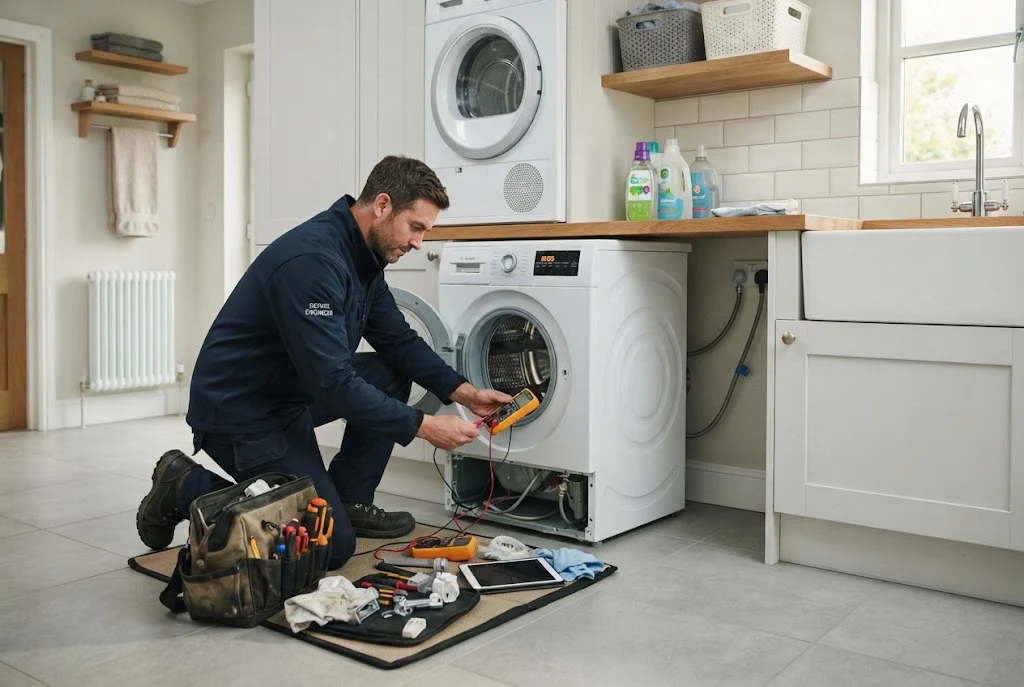
A reliable washing machine repair service can help restore an essential household appliance when it starts leaking, fails to drain, refuses to spin or stops working altogether. Because washing machines are used frequently, even a relatively small fault can quickly become disruptive. Understanding the most common problems, likely repair considerations and basic maintenance steps can help you decide when to troubleshoot the appliance yourself and when professional help is more appropriate.
For UK households, repairing a faulty washing machine can often be a practical alternative to replacing the appliance immediately. The right solution depends on the fault, the age and condition of the machine, the availability of parts and the likely cost of repair compared with replacement.
When Do You Need a Washing Machine Repair Service?
A washing machine does not always fail completely before it needs attention. Warning signs can include unusual noises, excessive vibration, water remaining inside the drum, poor spinning, leaking, error codes or cycles that repeatedly stop before completion.
Some problems have straightforward causes, such as an obstructed filter or an unbalanced load. Others can involve pumps, motors, door locks, heating components, valves, bearings or electronic controls. When the cause is unclear, a professional washing machine repair service can diagnose the appliance and determine whether repair is practical.
It is generally sensible to stop using the machine if there is a significant electrical problem, burning smell, serious leak or other obvious safety concern. Continuing to operate a damaged appliance can make an existing fault worse.
Common Washing Machine Problems
Washing machines combine water, electricity and mechanical components, so there are several areas where faults can develop. The symptoms often provide useful clues about what may be wrong.
Washing Machine Not Draining
One of the most common problems is water remaining in the drum after a cycle. A blocked filter, obstructed drain hose or problem with the pump can prevent the machine from removing water properly.
Before arranging a repair, check the manufacturer’s instructions for safely inspecting and cleaning the accessible filter. If the machine continues to leave water in the drum, professional diagnosis may be necessary.
Washing Machine Not Spinning
A machine may complete part of a cycle but fail to spin the clothes properly. An unbalanced load can sometimes cause this, particularly when a small number of heavy items are washed together.
If redistributing the load does not solve the issue, the fault could involve components such as the motor, drive system, door mechanism or electronic controls. A qualified engineer can identify the underlying cause rather than replacing parts unnecessarily.
Washing Machine Leaking
Water around a washing machine should not be ignored. Leaks can come from hoses, connections, door seals, detergent drawers or internal components.
Check whether the leak is coming from an easily accessible connection and switch off the appliance if there is a significant water or electrical safety concern. Persistent leaks require proper diagnosis to prevent further damage to the appliance or surrounding property.
Washing Machine Making Strange Noises
Some noise is normal during washing and spinning, but sudden banging, grinding or repeated knocking can indicate a problem. Loose objects caught inside the drum, an unbalanced load or installation issues can cause unusual sounds.
More persistent noises may point towards worn bearings, suspension components or other mechanical faults. If the sound changes significantly from the machine’s normal operation, it is worth investigating before continuing to use it heavily.
Washing Machine Not Heating Water
If clothes are not being washed as expected or cycles take unusually long, a heating-related problem may be involved. A faulty heating element, temperature sensor or associated electrical component can affect water temperature.
Because electrical components can be hazardous to inspect without appropriate knowledge, heating faults are usually better assessed by a qualified professional.
Washing Machine Repair: What Does It Cost?
The cost of washing machine repair varies considerably. There is no single price that applies to every fault because several factors influence the final bill.
- The type of fault
- The appliance brand and model
- The replacement parts required
- Engineer call-out and labour charges
- The complexity of the repair
- The location of the property
- The age and overall condition of the appliance
A minor issue may require relatively little work, while a major component failure can make the repair considerably more expensive. Before authorising extensive work, ask the engineer for an explanation of the fault and the expected repair cost.
It can also be useful to compare the estimated repair cost with the age and replacement value of the washing machine. A newer appliance with a repairable fault may be worth fixing, while an older machine with several developing problems may require a different decision.
Washing Machine Service vs Emergency Repair
Not every appliance problem requires an emergency call-out. A machine that has developed a minor performance issue may be suitable for a scheduled washing machine service, allowing an engineer to inspect the appliance at a convenient time.
However, serious leaks, electrical faults or situations where the appliance cannot be safely used may require faster attention. The appropriate response depends on the nature of the problem and the potential risk.
Regular servicing can also help identify developing problems before they result in a complete breakdown. This is particularly relevant for heavily used appliances in busy households.
Washing Machine Servicing and Preventive Maintenance
Good maintenance cannot prevent every breakdown, but it can help reduce avoidable problems. Simple habits can also help the machine operate efficiently and maintain its performance.
Clean the Filter
Follow the manufacturer’s instructions for cleaning the accessible filter. Coins, lint and other small objects can sometimes collect in this area and interfere with drainage.
Check Hoses
Inspect visible inlet and drain hoses periodically for signs of damage, deterioration or loose connections. Replace damaged components rather than continuing to use them.
Avoid Overloading
Putting too much laundry into the drum can place additional strain on the appliance and may also prevent clothes from being washed effectively. Follow the manufacturer’s recommended load limits.
Use the Correct Detergent
Using the appropriate detergent and quantity can help reduce excess residue and maintain the appliance. Always follow the washing machine manufacturer’s guidance and detergent instructions.
Leave the Door Open When Appropriate
After a cycle, allowing the drum and door seal to dry can help reduce lingering moisture. This simple habit can support better general appliance hygiene.
When Should You Search for a Washing Machine Service Near Me?
Searching for a washing machine service near me can be useful when the machine needs inspection, routine servicing or diagnosis of an intermittent problem. Local engineers may also be more convenient when a household needs an appointment quickly.
When choosing a service provider, look beyond proximity. Check whether the engineer works with your appliance type, whether diagnostic or call-out charges apply, whether replacement parts are available and whether the repair is covered by a guarantee.
It is also sensible to ask for a clear explanation of the work before approving an expensive repair.
Washing Machines Repairs: Repair or Replace?
One of the most common decisions after a breakdown is whether to repair the existing machine or purchase a replacement. Age alone does not determine the right answer.
Consider the machine’s overall condition, previous repair history, expected repair cost and the price of a suitable replacement. If the appliance has been reliable and the fault is isolated, repairing it may make practical sense. If several expensive components are failing on an older machine, replacement may be considered instead.
Consumer rights can also be relevant when a recently purchased appliance develops a fault. UK government guidance explains that faulty goods can have repair or replacement remedies depending on the circumstances and timing of the problem.
For more detailed information about consumer rights and faulty goods, the UK government’s consumer protection guidance is an appropriate authoritative source.
Washer Dryer Repairs and Combined Appliances
Some households use a washer dryer rather than separate washing and drying appliances. These combined machines can develop washing-related or drying-related faults, making accurate diagnosis particularly important.
If the drying function stops working while washing continues normally, the problem may be different from a fault affecting the washing cycle. For households with a combined appliance, our guide to washer dryer repair provides a dedicated starting point for understanding common faults and repair considerations.
Where separate appliances are used, homeowners may also need a specialist washer and dryer repair service when both machines require attention.
When DIY Washing Machine Repair Is Not Appropriate
Basic maintenance is different from dismantling an appliance. Washing machines contain electrical connections, moving components and water systems that can create safety risks when handled incorrectly.
Avoid attempting repairs involving electrical components, internal wiring or complex mechanical assemblies unless you have the appropriate qualifications, tools and knowledge. Incorrect repairs can cause additional damage and may create a safety hazard.
If an appliance has a serious electrical fault, burning smell, damaged cable or significant leak, switch it off safely and arrange professional assistance.
How to Prepare for a Washing Machine Repair
Providing useful information before an engineer arrives can make diagnosis easier. Note the appliance brand and model, describe the symptoms and record any error code displayed on the machine.
It can also help to explain when the problem occurs. For example, does the machine fail during filling, washing, draining or spinning? Does it make a particular noise? Does the problem happen on every programme or only one?
These details can give the engineer a clearer starting point and may help avoid unnecessary diagnostic work.
Keeping Your Washing Machine Reliable
A washing machine is one of the most frequently used appliances in many homes, so preventative care is worthwhile. Regular filter checks, sensible loading, appropriate detergent use and attention to unusual symptoms can all contribute to better long-term operation.
When a fault does develop, professional diagnosis can help determine whether the appliance needs a simple repair, replacement component or more extensive work. Acting early can also prevent a small problem from becoming a larger one.
Households can also explore our related guides on home appliance cover, which explains how appliance protection plans may help manage unexpected breakdown costs, and appliance repair service for broader guidance on professional appliance repairs.
Final Thoughts
A dependable washing machine repair service can be valuable when an appliance develops a fault that cannot be resolved through basic maintenance. The key is to identify the symptoms, stop using the machine when there is a safety concern and obtain a clear diagnosis before committing to an expensive repair.
Routine maintenance also has an important role. Keeping filters clean, checking hoses, avoiding excessive loads and responding to unusual noises or leaks can help households manage their appliances more effectively.
Whether the solution is a repair, servicing appointment or eventual replacement, understanding the problem first makes it easier to make a practical decision.