
Creating a balanced home interior is not simply about purchasing attractive furniture or filling rooms with decorative accessories. A well-designed space comes from understanding how furniture, colors, textures, lighting, and decoration interact with one another. When these elements are carefully coordinated, a room can feel comfortable, practical, and visually harmonious.
Furniture provides the foundation of an interior, while decorative elements add personality and character. The key is finding the right relationship between the two so that the room feels complete without becoming overcrowded. Whether you are updating a dining area, living room, bedroom, or open-plan space, thoughtful coordination can make a significant difference.
Start With the Purpose of the Room
Before choosing furniture and decoration, consider how the room will actually be used. A dining room needs to support meals and conversation, while a living room may need to accommodate relaxation, entertainment, and social gatherings.
Understanding the room’s purpose helps determine which furniture pieces are essential. It also prevents unnecessary items from taking up valuable space.
A functional room is usually easier to decorate because the furniture arrangement already provides a clear structure. Once the practical requirements are established, decorative elements can be introduced to enhance the overall atmosphere.
Choose Furniture That Fits the Space
The size and proportions of furniture can strongly influence the balance of a room. Oversized furniture can make a small space feel crowded, while pieces that are too small may make a large room appear empty.
Measure the available area before purchasing major furniture. Consider not only the dimensions of the furniture itself but also the space required for movement.
In dining areas, for example, comfortable dining chairs should provide enough room around the table for people to sit down, stand up, and move comfortably. Their shape and proportions should also complement the dining table rather than competing with it.
Create a Consistent Color Palette
Furniture and decoration should share some connection through color. This does not mean everything needs to match perfectly. Instead, choose a few complementary shades and repeat them throughout the room.
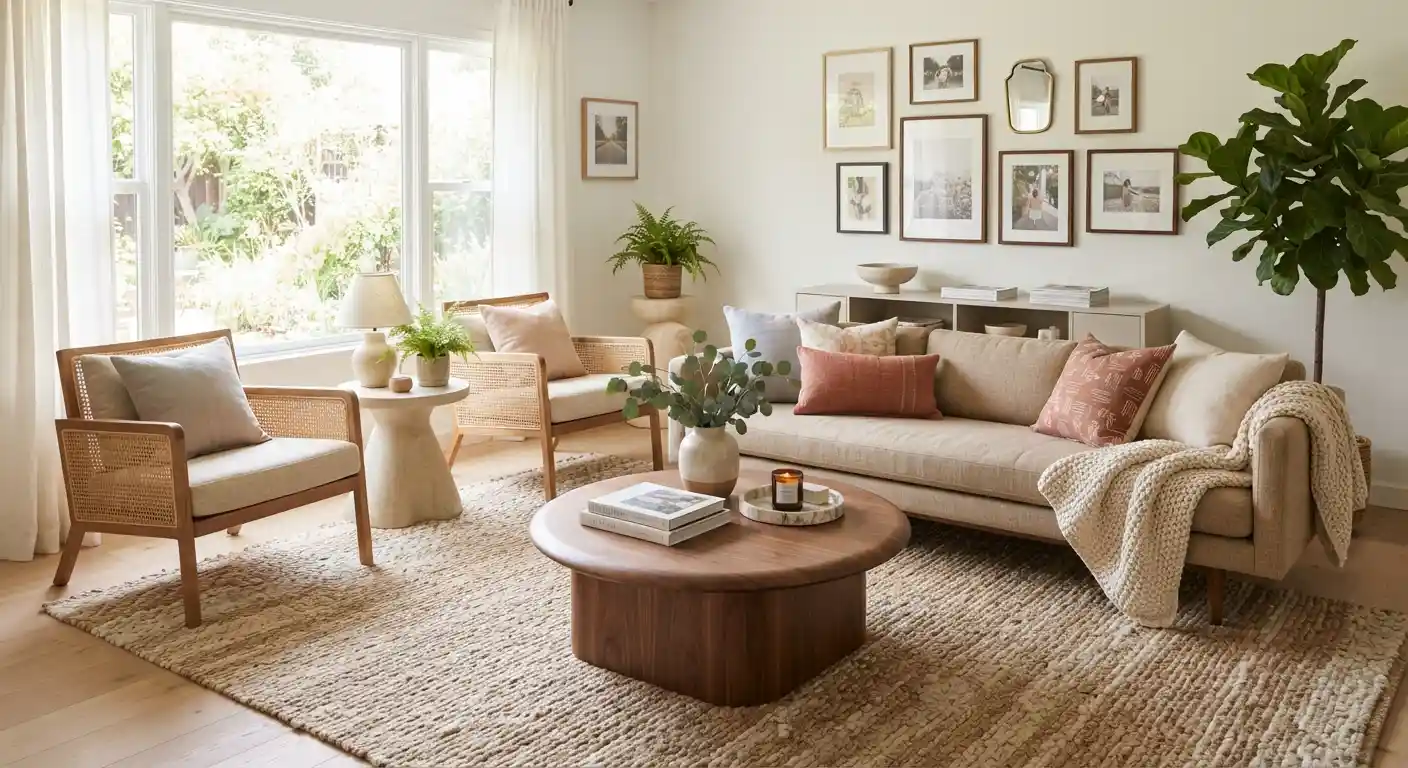
A neutral foundation can make coordination easier. Shades such as cream, beige, gray, white, and natural wood can provide a flexible background for stronger accent colors.
You can introduce accent colors through cushions, artwork, rugs, curtains, lamps, and smaller decorative objects. Repeating these shades in several areas helps create visual consistency.
Pay Attention to Proportion
Proportion is one of the most important aspects of interior design. A large dining table paired with very small chairs may look unbalanced, while oversized decorative objects can overwhelm a compact room.
Try to consider every piece in relation to the surrounding furniture. The height of chairs, tables, cabinets, lamps, and artwork should create a comfortable visual rhythm.
Good proportions also improve functionality. Furniture should be easy to use rather than selected purely for appearance.
Combine Different Textures
Texture gives an interior depth and prevents it from feeling flat. Furniture with smooth surfaces can be paired with soft fabrics, woven materials, natural wood, metal, or textured accessories.
For example, a simple dining table can feel more inviting when combined with upholstered seating, a textured rug, and warm lighting.
Texture is particularly useful in neutral interiors where there are fewer strong colors. Different materials can create visual interest without introducing too many shades.
Make Lighting Part of the Design
Lighting should complement both furniture and decoration. A beautifully arranged room can lose much of its impact if the lighting is too harsh or poorly positioned.
Dining areas can benefit from a central pendant light above the table, while additional lighting can be used to highlight artwork, shelves, or architectural features.
Warm lighting can create a relaxed atmosphere, particularly during evening meals and gatherings. Natural daylight should also be maximized during the day by keeping windows clear and choosing suitable curtains or blinds.
Think About the Dining Table and Seating Together
The dining table and chairs form the central furniture combination in a dining area, so they should be considered as a complete arrangement.
Matching sets can create a traditional and coordinated appearance, while mixing materials and styles can give the room a more contemporary personality. The important consideration is whether the different elements share some visual connection.
For example, wooden chairs can complement a wooden table through similar tones, while upholstered chairs can add softness to a more structured dining environment.
Use Decoration to Support the Furniture
Decorative items should enhance the furniture rather than distract from it. Artwork, mirrors, plants, table accessories, and decorative objects can all contribute to the atmosphere of a room.
If the furniture already has a strong design, simpler accessories may work better. Conversely, a minimalist furniture arrangement can provide an opportunity for more expressive artwork or decorative pieces.
The goal is to create a relationship between functional and decorative elements rather than treating them as separate parts of the room.
Avoid Overcrowding
One of the easiest ways to lose balance in a room is to add too many items. Every piece of furniture and decoration should have a purpose or contribute positively to the overall design.
Leaving some open space allows important furniture pieces to stand out. It also makes the room easier to navigate and maintain.
A dining area, for example, needs sufficient space around the table and chairs. Even attractive accessories can become inconvenient if they restrict movement or make the room feel cramped.
Introduce Natural Elements
Natural materials can make interiors feel warmer and more welcoming. Wood, stone, linen, rattan, plants, and natural fabrics can complement both modern and traditional furniture.
Indoor plants are an easy way to introduce color and organic shapes. Wooden furniture can also provide warmth, particularly in interiors that use white, gray, or other cool tones.
Natural elements do not need to dominate the room. A few carefully chosen materials can be enough to create a more relaxed atmosphere.
Build Visual Connections Between Rooms
Open-plan homes require additional attention because furniture and decoration in one area can affect the appearance of another. The dining space should feel connected to the living or kitchen area without necessarily looking identical.
Repeating colors, materials, or finishes can create continuity. For example, the wood tone used on dining furniture could be repeated through a living room coffee table or shelving.
This approach creates a sense of flow while allowing each area to retain its own purpose and character.
Select Decorative Pieces With Intention
Accessories can make a home feel personal, but choosing too many can create clutter. Instead of decorating every available surface, select pieces that complement the room and have some meaning.
Artwork, books, vases, candles, photographs, and plants can all add personality. Their placement should be considered in relation to nearby furniture.
A carefully positioned centerpiece on a dining table, for instance, can enhance the room without interfering with everyday use.
Prioritize Comfort Alongside Appearance
A balanced interior should look good and feel comfortable. This is especially important when choosing seating because people may spend considerable time using it.
When selecting dining chairs, consider factors such as seat height, back support, material, and available space. Comfortable seating can make everyday meals more enjoyable and encourage longer gatherings with family and guests.
Style remains important, but practical comfort should never be overlooked.
Personalize Your Interior
A home should reflect the people who live there. Personal photographs, artwork, favorite colors, books, and meaningful objects can make a carefully designed interior feel more authentic.
You do not need to follow a particular design trend to create a beautiful home. Instead, use design principles as a foundation and adapt them according to your own preferences and lifestyle.
Personalization works best when it complements the existing furniture and color scheme rather than creating unnecessary visual clutter.
Maintain Balance Over Time
Interior design is not something that has to be completed in one day. As your lifestyle changes, you may discover that certain furniture pieces or decorative elements no longer suit your needs.
Reviewing your space occasionally can help keep it functional and attractive. You may only need to rearrange furniture, replace a few accessories, or introduce a new texture to refresh the room.
This gradual approach allows your home to evolve naturally without requiring a complete redesign.
Final Thoughts
Furniture and decoration work best when they are planned as parts of the same overall design. Furniture provides structure and functionality, while decorative elements introduce color, texture, personality, and visual interest.
By considering proportion, layout, comfort, lighting, materials, and color, you can create rooms that feel balanced rather than overcrowded. Whether you are designing a dining area or refreshing an entire home, the most successful interiors combine practical furniture with carefully selected decorative details.
A balanced home does not need to follow complicated design rules. It simply needs furniture and decoration that work together to support the way you live while creating an environment that feels comfortable, welcoming, and personal.