

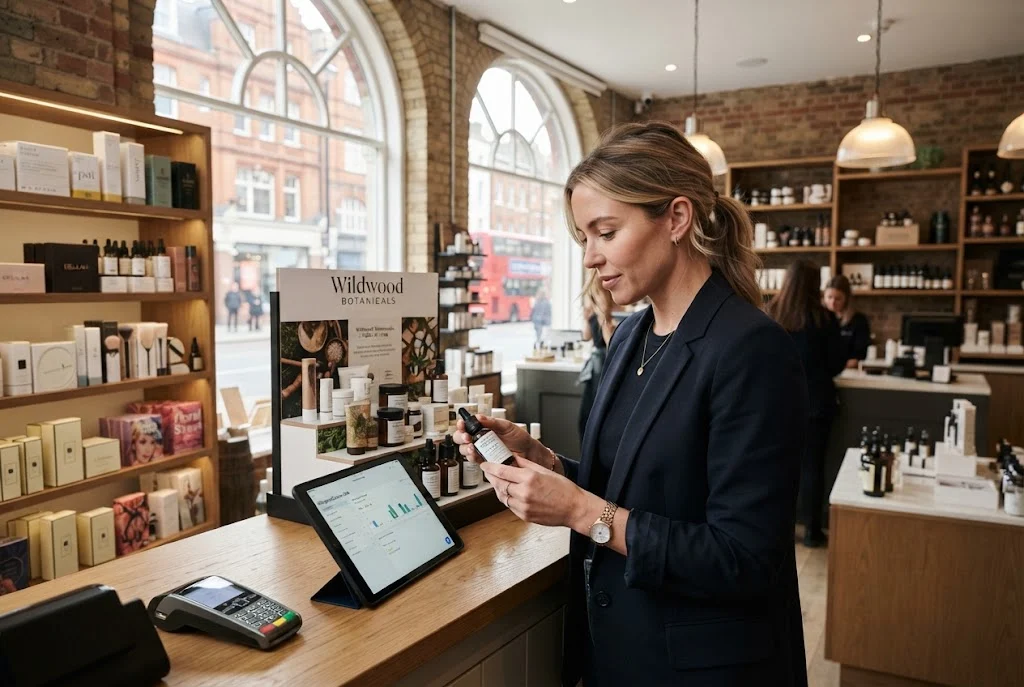
The UK beauty industry is a broad and evolving sector covering skincare, cosmetics, haircare, personal care, beauty services, retail, e-commerce, professional treatments and specialist brands. It brings together established retailers, independent businesses, manufacturers, salons, online-first companies, publishers and technology providers. For consumers and businesses alike, understanding how the sector works can make it easier to follow changing products, regulations and market opportunities.
The industry is also more than the products displayed on beauty counters. Behind every product are manufacturers, suppliers, distributors, retailers, marketers and regulatory responsibilities. At the same time, consumers are discovering products through search engines, social media, creators, specialist websites and increasingly personalised shopping experiences.
What Is the UK Beauty Industry?
The UK beauty industry covers a wide range of businesses and professional activities connected with personal appearance and care. This includes skincare, makeup, fragrance, hair products, nail products, toiletries and professional beauty services.
On the commercial side, the sector includes product manufacturers, independent brands, high-street retailers, specialist beauty stores, online retailers and salons. Digital businesses have also become an important part of the ecosystem, supporting e-commerce, content, marketing, customer engagement and product discovery.
Because the sector is so diverse, developments in one area can influence another. A change in consumer interest in skincare ingredients, for example, can affect product development, editorial coverage, retail merchandising and online search behaviour.
UK Beauty Market: A Diverse Consumer Sector
The UK beauty market serves consumers with very different budgets, preferences and routines. Some shoppers prioritise premium brands, while others look for affordable products that offer practical value. Consumers may also move between price segments depending on the product category.
Skincare, makeup, haircare and fragrance each have different purchasing considerations. Consumers may be highly ingredient-focused when choosing skincare but place greater emphasis on colour, finish or wear when buying makeup.
This diversity creates opportunities for businesses that understand a specific audience rather than attempting to appeal to everyone. Specialist positioning can help a brand communicate a clearer proposition and build stronger relationships with its target customers.
UK Cosmetics Industry and Product Innovation
The UK cosmetics industry includes both domestic brands and international businesses selling products to British consumers. Product development is influenced by consumer preferences, ingredient research, packaging, sustainability considerations, retail trends and changing beauty routines.
Innovation can take many forms. A brand may introduce a new formulation, develop a different delivery format, improve packaging or create products aimed at a specific consumer need. Digital commerce also allows smaller businesses to reach customers without relying exclusively on traditional retail distribution.
For shoppers researching individual products, understanding the wider product landscape can make comparisons more useful. Related resources such as best beauty products and best skincare products can help consumers evaluate different categories and purchasing considerations.
UK Beauty Market Trends to Watch
UK beauty market trends can change quickly because consumer preferences are influenced by culture, technology, product launches, social media and broader spending behaviour. However, several themes remain particularly relevant when considering the direction of the sector.
Digital Beauty Shopping
Online shopping has changed how consumers discover and evaluate beauty products. Customers can research ingredients, compare prices, read reviews and explore alternatives before purchasing.
This has increased the importance of strong digital experiences. Beauty businesses need product information that is clear, useful and easy to navigate, particularly when shoppers cannot physically test products before buying.
Content and Product Education
Consumers often want information before making a purchase. They may search for ingredient explanations, product comparisons, routines or advice about choosing between different options.
As a result, useful educational content can become an important part of a brand’s customer journey. Guides, reviews and comparisons can support discovery while helping shoppers understand products more confidently.
Specialist and Independent Brands
Smaller beauty companies can compete by focusing on particular audiences, product categories or brand identities. Rather than attempting to match the product range of a large retailer, an independent business may build recognition around a specific expertise or customer need.
This can create opportunities for businesses that understand their niche and communicate their value clearly across websites, social channels and other digital platforms.
Beauty Industry Regulations UK: What Businesses Need to Know
Beauty industry regulations UK requirements are particularly important for businesses placing cosmetic products on the market. In Great Britain, cosmetic products must be safe and are subject to specific regulatory requirements. GOV.UK states that products made available to consumers in Great Britain must have a named Responsible Person and must meet relevant safety and information requirements. Official GOV.UK cosmetics guidance provides current consumer information.
Businesses should not treat compliance as a marketing issue alone. Regulatory responsibilities can affect product development, documentation, packaging, labelling, safety assessment and market notification.
The precise requirements also depend on where a product is being placed on the market. Great Britain and Northern Ireland have different regulatory arrangements, so businesses operating across the UK need to understand the relevant rules for each market.
UK Cosmetics Regulations for Great Britain
UK cosmetics regulations for Great Britain include requirements concerning safety, responsible persons, product information and notification. GOV.UK guidance explains that a cosmetic product cannot be placed on the Great Britain market unless there is a Responsible Person established in the UK for that product.
The Responsible Person has important obligations. These include ensuring regulatory compliance, maintaining the Product Information File, ensuring appropriate product safety information and handling relevant notifications. Products also need appropriate labelling and information for consumers.
Businesses should therefore consider regulatory requirements before launching a product rather than attempting to resolve compliance issues after entering the market.
Cosmetic Product Notifications in Great Britain
One important part of the regulatory system is the Submit Cosmetic Product Notification service, commonly referred to as SCPN. Cosmetic products made available to consumers in Great Britain must be notified through the relevant system by the Responsible Person before they are placed on the market.
The scale of the system demonstrates how large the product ecosystem has become. Government data published in 2026 reported 861,686 notifications to the SCPN system since its launch and 24,112 registered Responsible Persons as of 28 May 2026.
These figures should not be interpreted as the number of individual beauty businesses or products currently sold in the UK. They represent notifications and registered Responsible Persons within the government system, but they illustrate the substantial volume of cosmetic products being managed through the regulatory framework.
Product Labelling and Consumer Information
Clear product information is an important part of the UK cosmetics framework. Government guidance states that cosmetic packaging should provide information such as the product’s function, precautions for use, weight or volume, Responsible Person details, batch identification, relevant dates and ingredients.
This information is particularly valuable for consumers who need to understand how a product should be used or want to check its ingredients. It also reinforces why beauty businesses need accurate product information across both packaging and online retail pages.
Businesses should avoid making claims that suggest a cosmetic product has characteristics or functions that it does not have. Regulatory guidance specifically addresses the accuracy of cosmetic claims, making responsible product communication an important consideration alongside creative marketing.
UK Beauty Businesses and the Competitive Landscape
UK beauty businesses range from independent practitioners and small brands to major retailers and international companies. This creates a competitive environment in which businesses can differentiate through product quality, specialist knowledge, customer experience, price, convenience or brand identity.
Independent businesses can also use digital channels to build audiences without requiring the same physical retail footprint as traditional operators. A well-structured website, useful content, social media presence and effective e-commerce experience can help smaller brands compete for attention.
For businesses relying heavily on online discovery, search optimisation is another important consideration. Strategies such as beauty SEO, beauty keyword research and beauty content SEO can help brands develop visibility around relevant consumer searches.
Beauty Industry Statistics: How to Use Data Carefully
Beauty industry statistics can be useful for understanding market size, consumer behaviour, product categories and business performance. However, statistics need context.
A figure may relate to retail sales, consumer spending, a particular product category, a specific time period or a particular research methodology. Comparing two numbers without checking what each one measures can produce misleading conclusions.
Businesses should therefore look at the source, publication date, geographical coverage, category definition and methodology before using a statistic in a business plan or marketing campaign.
Regulatory data is another useful category of information. For example, the government publishes data connected with cosmetic product notifications, providing a different perspective from commercial market-research figures.
What Is the UK Beauty Industry Outlook?
The UK beauty industry outlook depends on several interacting factors, including consumer spending, product innovation, digital commerce, regulation, competition and changing preferences.
Businesses that can adapt to customer expectations while maintaining product quality and regulatory compliance are better positioned to respond to these changes. Digital discovery is also likely to remain important as consumers continue to research products before purchasing.
For publishers and beauty websites, this creates opportunities to produce useful resources covering products, trends, businesses, careers and industry developments. A well-planned content structure can help readers move from broad industry information to more specific buying and product topics.
How Regulation Shapes the Future of Beauty
Regulation is not static. Cosmetic requirements can change as scientific evidence develops and authorities review substances used in products. For example, Great Britain updated its cosmetic regulatory framework in 2025 through legislation concerning restrictions on certain chemical substances, including methyl salicylate.
This means beauty businesses need processes for monitoring regulatory developments rather than treating compliance as a one-time task. Product formulations, labelling and supporting documentation may need review when relevant requirements change.
For consumers, regulatory oversight provides an additional layer of protection. Government guidance states that cosmetic products must be safe and that their contents are subject to restrictions, with certain substances banned and others restricted.
Where Opportunities Exist in the UK Beauty Sector
The diversity of the sector creates opportunities beyond product manufacturing and retail. Beauty businesses require marketing, content, public relations, e-commerce, customer service, logistics, design, technology and specialist professional services.
This is also why the sector connects naturally with other areas of the beauty content ecosystem. People interested in the industry may also want to explore beauty careers, beauty writing and beauty digital PR.
For entrepreneurs, the opportunity may lie in developing a specialist product or service. For professionals, it may involve combining beauty expertise with another skill such as marketing, SEO, journalism or e-commerce.
Understanding the UK Beauty Industry
The UK beauty industry is a diverse ecosystem shaped by consumers, brands, retailers, professionals, technology and regulation. Its complexity creates both challenges and opportunities for businesses entering the market or attempting to grow within it.
Understanding the sector requires looking beyond product launches and trends. Businesses need to consider consumer needs, competitive positioning, digital discovery, product information and the regulatory framework that governs cosmetics.
For consumers, better industry knowledge can make product research and purchasing decisions easier. For businesses, it can support more informed product development, marketing and long-term planning.
As the sector continues to evolve, the brands most capable of combining useful products, responsible communication, strong customer experiences and adaptable digital strategies will be well placed to respond to changing expectations. The future of beauty will not be shaped by one trend alone, but by the interaction between innovation, consumer behaviour, technology and responsible regulation.