

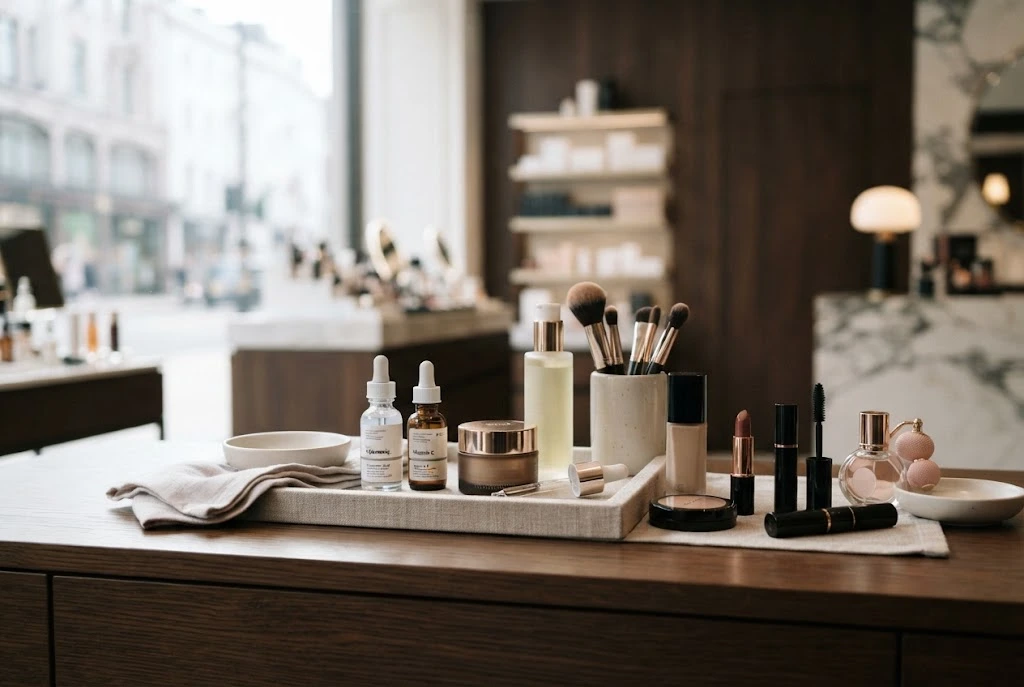
Finding the best beauty products is not simply about choosing the most expensive serum, the most popular foundation or the product currently dominating social media. The right choice depends on your skin type, preferences, routine, budget and what you actually want a product to achieve. For UK shoppers, there is also a huge choice across high-street retailers, specialist beauty stores, pharmacies, department stores and online brands.
This guide explains how to assess beauty products more intelligently, from skincare and makeup to ingredients, product claims, value and suitability. Instead of treating one product as universally superior, it focuses on the factors that make a beauty product a good choice for a particular person.
What Makes the Best Beauty Products Worth Buying?
A good beauty product should first be suitable for its intended purpose. A moisturiser should work as a moisturiser, a cleanser should effectively remove appropriate impurities and a foundation should provide the finish and coverage its user wants. However, effectiveness is only one part of the decision.
Texture, ingredients, ease of use, packaging, price and compatibility with the rest of your routine can all influence whether a product is genuinely useful. A highly rated product may still be unsuitable if it does not match your skin type or preferred finish.
It is also sensible to look beyond marketing language. UK cosmetic products are subject to safety requirements, and official government guidance explains that cosmetic products placed on the Great Britain market must be safe and meet relevant information and regulatory requirements. GOV.UK guidance on cosmetics is a useful reference when you want to understand basic consumer considerations.
Best Skincare Products: Start With Your Skin
Skincare is one of the largest parts of the beauty market, but there is no single routine that works perfectly for everyone. Before choosing the best skincare products, consider your skin’s general characteristics and the specific concern you want to address.
Someone with dry-feeling skin may prioritise a moisturising formula, while someone with an oily complexion may prefer a lighter texture. People with sensitive skin may also want to keep their routine relatively simple and pay close attention to ingredients that they already know their skin tolerates.
A basic routine can often be easier to evaluate than a complicated one. Cleansing, moisturising and appropriate daytime sun protection can provide a straightforward foundation, after which additional products can be considered according to individual needs.
If you are comparing best skincare UK options, consider availability, formulation, price per amount and whether the product is practical for your normal routine rather than choosing solely because it is trending.
Best Makeup Products for Different Needs
Makeup choices are particularly personal because finish, shade, coverage and application preferences vary considerably. The best makeup products for one person may be completely unsuitable for another.
Foundation and Base Products
When choosing a foundation, consider coverage, finish, undertone, shade range and how the formula behaves throughout the day. A lightweight product may suit someone who prefers natural-looking makeup, while another person may want greater coverage for specific occasions.
Testing shades in appropriate lighting can be more useful than relying exclusively on online photographs. If you shop online, check the retailer’s shade information and return policy before purchasing where possible.
Blush, Bronzer and Highlighter
Colour products should complement the overall look rather than being selected independently. Consider whether you prefer powder, cream or liquid formulas and how they interact with your base makeup.
Lip and Eye Products
Lipsticks, glosses, mascaras and eyeshadows also vary in finish and wear. Consider how frequently you will use a product and whether its application fits your routine. A versatile product that you use regularly can offer more value than a larger collection of products that rarely leave the drawer.
How to Compare Beauty Products Before Buying
Effective beauty product comparisons should look at several characteristics instead of declaring one product the winner immediately.
- Purpose: What problem or beauty goal is the product designed to address?
- Ingredients: Does the formula contain ingredients you want to use or avoid?
- Skin compatibility: Is the product appropriate for your skin type and existing routine?
- Texture: Will you enjoy applying and wearing it?
- Performance: Does it deliver the finish or function you expect?
- Price: How does the cost compare with alternatives?
- Quantity: How much product are you actually receiving?
- Convenience: Is it easy to use, store and replace?
Looking at these factors together produces a more useful assessment than relying on a single rating. It also makes it easier to distinguish between genuinely useful products and purchases driven mainly by hype.
Best Cosmetics for a Practical Beauty Routine
The best cosmetics are often the products that fit naturally into your lifestyle. Someone who prefers a five-minute morning routine does not necessarily need a large collection of specialist products.
Instead, focus on products that perform multiple useful functions or that you reach for consistently. A versatile complexion product, reliable mascara, comfortable lip colour and a few well-chosen skincare essentials may be more practical than buying every new launch.
For people building a routine from scratch, it can help to separate essentials from optional products. This prevents unnecessary spending and gives you a clearer idea of which products genuinely make a difference.
How to Read Beauty Product Reviews
Beauty product reviews can be valuable, but they should be interpreted carefully. Reviewers have different skin types, expectations, budgets and preferences, so a positive experience does not automatically mean a product will work in exactly the same way for you.
Look for reviews that explain why the reviewer liked or disliked the product. Details about texture, application, wear time, finish and compatibility are generally more useful than a simple star rating.
It is also worth comparing several independent opinions. If multiple reviewers identify the same strength or weakness, that pattern may be more informative than one enthusiastic review.
Beauty Product Recommendations: What to Consider
Good beauty product recommendations should begin with the person rather than the product. Before recommending something, consider the user’s beauty goals, skin characteristics, preferred brands, budget and routine.
This approach is particularly important when recommending skincare. A product that contains an ingredient popular for one concern may not be the right choice for every user. Likewise, makeup recommendations need to account for shade, finish and application preferences.
For shoppers, this means asking better questions before buying. Instead of asking only, “What is the best product?”, ask, “What is the best product for my particular need?”
How Much Should You Spend on Beauty Products?
Price is an important part of a buying decision, but a higher price does not automatically make a product better. Similarly, a cheaper product should not be dismissed without considering its ingredients, performance and quantity.
One useful approach is to compare the price with the amount of product and expected frequency of use. A product that costs more but lasts significantly longer may provide reasonable value, while an inexpensive item that needs frequent replacement may not be as economical as it initially appears.
Budget-conscious shoppers can also build their routine gradually. Start with the products that serve an important purpose and add optional items only when there is a clear reason to do so.
What to Check Before Buying Beauty Products in the UK
UK shoppers should pay attention to product information, particularly when buying from unfamiliar sellers or marketplaces. Government guidance advises consumers to be cautious when product information is missing, unclear or poorly presented, and highlights the importance of information such as ingredients, precautions and the identity of the responsible business.
This is particularly relevant when buying online. Before placing an order, check who is selling the product, what information is provided and whether the product appears genuine and appropriately labelled.
Buyers can also explore the wider UK cosmetics industry to understand how brands, retailers and product categories fit into the broader market.
How Beauty Product Reviews and Comparisons Work Together
Reviews and comparisons serve different purposes. A review can provide an in-depth experience with one product, while a comparison helps shoppers understand the differences between several alternatives.
Using both can make purchasing decisions easier. For example, you might shortlist several moisturisers through a comparison, then read detailed reviews of the two products that appear most suitable for your needs.
This approach also reduces the temptation to buy something simply because it is described as a “must-have”. Instead, you create a shortlist based on your own criteria and then investigate those products more closely.
Building a Better Beauty Shopping Strategy
A thoughtful beauty shopping strategy can save both money and time. Start by identifying what you actually need, research suitable categories, compare a small number of products and then check detailed reviews before buying.
Keep a record of products you have tried, particularly skincare products. If something works well, you will have a useful reference when it needs replacing. If something causes an unwanted result, noting the product and relevant ingredients may help you make more informed decisions in the future.
For readers who want to explore specific categories, related guides on best skincare products, best makeup products, beauty product recommendations and beauty product comparisons can provide a more focused starting point.
Are the Best Beauty Products Always the Most Popular?
Popularity can be useful because it may indicate that many people are interested in a product, but it is not proof that the product is right for everyone. Social media trends can change quickly, and beauty preferences are highly individual.
Instead of following popularity alone, consider whether a product solves a genuine need. Check its ingredients, read detailed reviews, compare alternatives and consider how it fits into your existing routine.
The same principle applies to beauty product buying guides: the most useful guidance should help readers make decisions rather than simply present a list of fashionable products.
Finding the Best Beauty Products for You
The search for the best beauty products becomes much easier when you stop looking for one universal winner. The better approach is to define what you need, identify suitable options and compare them using consistent criteria.
Whether you are shopping for skincare, makeup or everyday cosmetics, focus on suitability, ingredients, performance, value and trustworthy product information. Reviews and recommendations can then help you narrow your choices without replacing your own judgement.
As your beauty knowledge develops, you can explore more specialised topics, including skincare SEO, beauty topical authority and the wider UK beauty market. A well-organised understanding of products, consumers and the industry makes it easier to make confident purchasing decisions while discovering new areas of beauty.
Understanding how to choose the right beauty products not only elevates your personal routine but also reflects broader dynamics within the sector. As consumers become increasingly discerning, their choices are influenced not just by individual preferences and skin types, but also by emerging trends and ethical considerations that shape the marketplace. The demand for transparency in ingredient sourcing and product efficacy is driving significant shifts across the UK beauty industry, where brands are compelled to adapt to a more informed consumer base. Recognizing these trends allows shoppers to make choices that are not only suitable for their needs but also contribute to a more sustainable and responsible beauty ecosystem. By staying attuned to these evolving standards, you can enhance your beauty regimen while aligning with the values that are increasingly shaping the market landscape.