

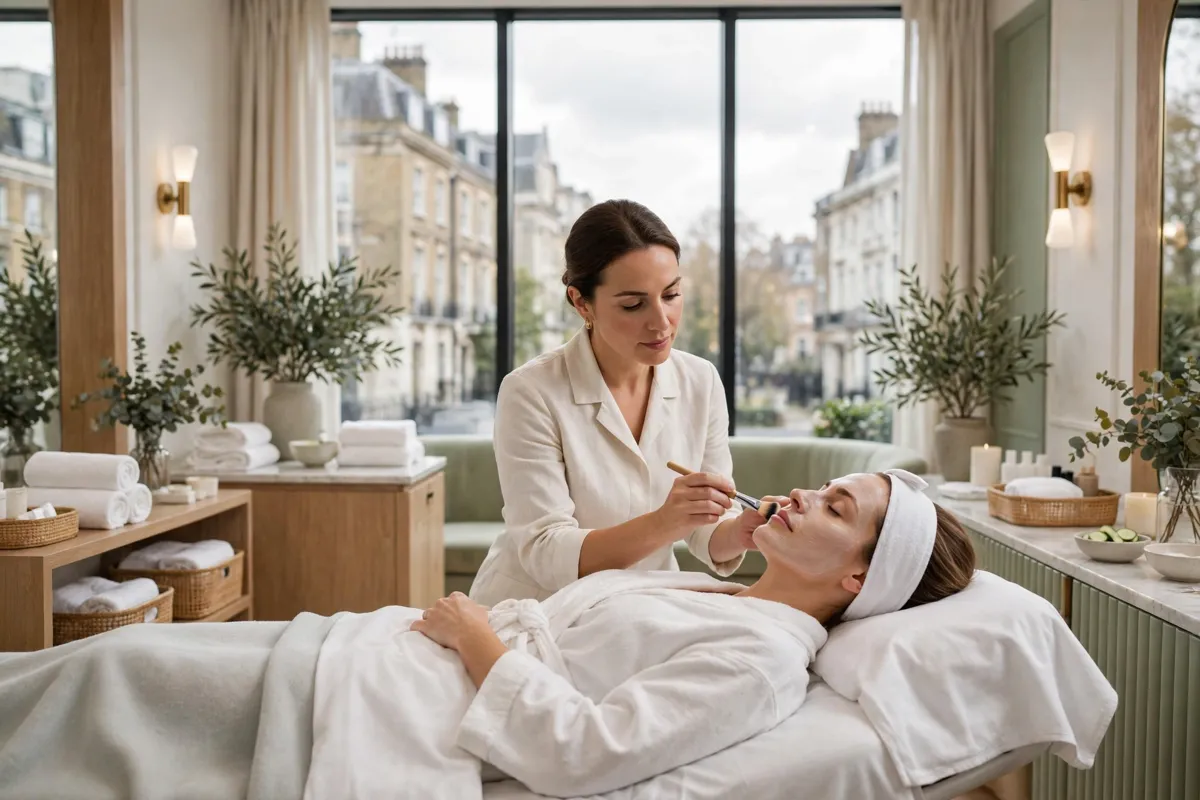
London beauty is a world of its own. From historic department-store counters to tiny independent studios tucked into side streets, the capital offers more choice than anywhere else in the UK — and that choice can be overwhelming. This guide to London beauty explains where to look, what the city does best, how to judge a salon, and how to make the most of a beauty scene that rewards a little local knowledge.
Whether you live in London, visit regularly, or are planning a first beauty-focused trip, the principles are the same: know what you want, research the specialist rather than the generalist, and treat a consultation as the real test of quality.
London Beauty by Area: Where to Start
Different parts of London suit different needs. The West End and Mayfair are home to flagship stores, luxury houses and long-established salons, ideal if you want a premium experience or a special-occasion treatment. Soho and Fitzrovia mix creativity with convenience: independent studios, nail bars and brow bars sit alongside larger names, and appointments are often easier to find at short notice.
East London — Shoreditch, Hackney and Dalston — leans independent and experimental, with strong Afro-Caribbean, South Asian and East Asian hair and beauty expertise, and many smaller studios run by specialists. South London, from Brixton to Peckham and Clapham, offers excellent neighbourhood salons at fairer prices, often with loyal local followings that tell you more than any advertisement. North London areas such as Islington and Camden balance chains and independents. Wherever you go, the best salon for you is the one that specialises in your need, not simply the nearest one.
What London Does Best
London’s strength is depth. Because the city serves every community and every budget, you can find genuine specialists for almost anything: textured hair care, bridal makeup, advanced skincare, laser and aesthetic treatments, traditional barbering, and nail art at every level. Competition keeps standards high, and the sheer number of practitioners means you can usually find someone whose recent work matches exactly what you want.
The city also leads on trends, for better and worse. New treatments arrive in London first, which is exciting but also means marketing can run ahead of evidence. Before booking a newly popular treatment, ask what it actually does, what the evidence is, and what the risks and aftercare involve. A reputable practitioner welcomes those questions; a clinic that discourages them should give you pause.
Choosing a Salon You Can Trust
Start with recent, real results: photos of actual clients, reviews that mention your specific treatment, and a visible record of qualifications. Book a consultation for anything significant — colour, extensions, aesthetic work — and use it to judge the practitioner, not just the price. Do they ask about your history, allergies and expectations? Do they explain what is realistic? Do they discuss aftercare and costs openly?
Hygiene and honesty are the two non-negotiables. Tools should be cleaned between clients, products in date, and prices stated before work begins. Be cautious of heavy discounting on advanced treatments, which can signal inexperience or corner-cutting. London has excellent options at every price, but the cheapest version of a complex treatment is rarely the best value.
Trends, Treatments and Everyday Routines
Beyond the headline treatments, London beauty is also about everyday routines done well: regular cuts that suit your hair type, skincare that matches the city’s hard water and pollution, and nail care that survives a busy week. If you want to understand the wider market before choosing, our overview of the UK beauty industry explains the trends and regulations shaping what salons offer, and our practical guide to greener beauty choices can help you judge product claims more clearly.
For choosing products between appointments, our guide to the best beauty products in the UK sets out how to match products to your skin and hair rather than buying on hype. And if you are considering beauty as a career rather than a customer, our guide to beauty careers in the UK covers the roles, skills and paths available — while our beauty startup investment guide explains how the city’s independent brands find funding and grow.
Prices and Booking in London
London prices vary more than anywhere else in the UK, and the range can confuse newcomers. A cut, colour or facial may cost twice as much in the West End as in a neighbourhood salon, without necessarily being twice as good. What you are often paying for in central locations is rent, not skill. Compare like with like: the practitioner’s experience, the products used, and the time allowed for the appointment. Ask for the full price in advance, including any extras, and check whether a consultation is charged separately. Many of the city’s best-value salons are the independent studios slightly off the main streets, where lower overheads meet serious expertise.
Making the Most of a Beauty Trip to London
If you are visiting London for beauty treatments, plan around geography: cluster appointments in one area rather than crossing the city between them, and leave buffer time — London transport is reliable until it is not. Book ahead for popular studios, especially on Fridays and Saturdays, and confirm deposits and cancellation policies before you pay. Bring reference photos and a clear brief; the best practitioners will still adapt the plan to your features and hair or skin, but a reference removes guesswork.
London beauty rewards curiosity. Try the independent studio alongside the famous name, ask questions, and build a relationship with a practitioner who knows you. In a city with endless choice, that relationship — not any single treatment — is what keeps people coming back.