

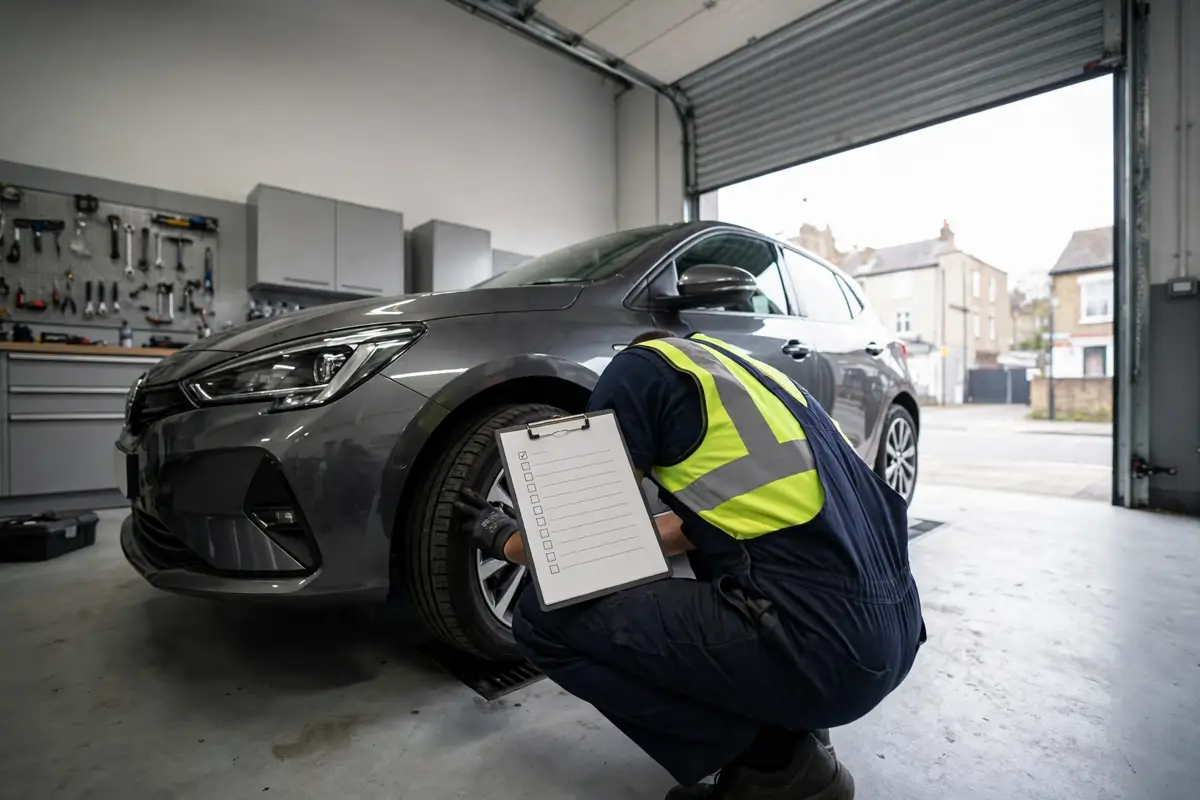
Booking your MOT and service together can feel like a chore, yet it is one of the simplest ways to keep your car legal, safe and reliable without overspending. This guide explains what each check does, when it is due and how to plan ahead. You will learn how to compare quotes fairly, avoid paying for work you do not need and still give your car proper care. There is no need for jargon or guesswork. Instead, you get clear, practical steps that suit everyday UK driving and a realistic household budget.
Many drivers treat the two appointments as the same thing. They are not. One is a legal inspection, and the other is routine maintenance. Understanding that difference helps you ask better questions, keep vehicle compliance in order and decide where your money genuinely makes a difference.
MOT and Service: What Each One Actually Does
The MOT is a standard inspection of key safety and environmental features. It checks items such as lights, brakes, tyres, steering, suspension, seat belts and emissions systems. The tester follows a set standard and records the result. The MOT does not strip the car down, and it does not fix faults. It simply confirms whether the vehicle meets the minimum standard on the day of the test.
A service is different. During a service, a technician maintains the car according to its age, mileage and manufacturer schedule. Typical work includes changing engine oil and filters, checking fluid levels and inspecting brakes, tyres and other wearing parts. The exact tasks vary by service level and by vehicle. Therefore, you should always ask what is included before you agree to a price.
Together, an MOT and service give you a fuller picture. The MOT highlights legal and safety issues, while the service helps prevent wear from turning into bigger problems. Used well, the pair supports both compliance and long-term value.
When Is Your MOT Due? Annual Inspections Explained
Most cars need their first MOT when they reach three years old. After that, annual inspections become part of normal ownership. The due date then repeats each year, linked to the previous test. Some vehicle types and uses have different rules, so check your own dates carefully rather than relying on memory.
Planning starts with knowing your expiry date. Make a note of it when you buy the car, and keep it with your service records. Then set a reminder well in advance. Booking early gives you more choice of appointment times. It also leaves room to deal with any faults without rushing into the first available repair.
- Check the MOT expiry date and note the service due date or mileage.
- Set a reminder a few weeks before both dates.
- Keep past certificates, invoices and advisory notes together.
- Ask what advisories from last year need attention this year.
This simple routine turns annual inspections from a last-minute worry into a planned cost. It also helps you spread decisions sensibly across the year.
DVSA Guidance in Plain English
DVSA guidance sets out how the MOT scheme works and what testers should check. In plain terms, the Driver and Vehicle Standards Agency oversees MOT standards, tester training and the quality of testing. Garages and testers must follow the official manual, which explains how to assess each item and how to record defects.
For drivers, DVSA guidance matters for a practical reason. It means the test should be consistent wherever you go. A fault should not pass at one centre and fail at another simply because of personal opinion. If you want to understand a result, ask the garage to show you the item, explain the wording on the record and clarify whether it affects compliance now or needs monitoring for the future.
Vehicle Compliance: Pass, Advisory and Fail Explained
Vehicle compliance means your car meets the legal standards needed to be used on the road. The MOT result is a key part of that picture, but keeping records and acting on known faults also matters. A car that passes still needs ongoing care, because wear continues after test day.
- Pass: The vehicle met the minimum standard on the day. It may still have advisories to monitor.
- Advisory: The tester noticed wear or a developing issue that did not cause a failure. You should note it, ask about urgency and plan the work.
- Fail: The vehicle did not meet the required standard. The record will list the defects, and the garage should explain what repair and retest steps are needed.
Do not ignore advisories simply because the car passed. An advisory is useful information, not a sales trick by default. Ask how the part looks, what happens if you wait and whether the work links to your next service. Clear answers help you prioritise repairs by safety and urgency, rather than by worry.
What Affects MOT Costs and Servicing Bills?
Drivers often ask about MOT costs as if there were one simple total. In reality, the final amount you pay depends on several factors. The inspection itself is only one part. Servicing work, parts and any repairs found on the day can shape the overall bill. Looking at these factors helps you judge a quote fairly and avoid surprises.
Car Age, Condition and Mileage
Older cars and higher-mileage cars often need more attention. Parts wear, seals age and previous repairs affect what a technician finds. A well-kept car with a full record may still need work, but there are usually fewer unknowns. Condition, therefore, matters as much as age alone.
Parts and Labour
Parts vary by make, model and availability. Some parts are straightforward to reach, while others take longer to remove and refit. Labour time reflects that difference. When you compare quotes, ask whether parts are included, what quality of part is proposed and how long the job should take. A clear, itemised quote is easier to trust than a single vague figure.
Region and Type of Garage
Where you live and where you book can also affect the price. Operating costs differ between regions and between types of garage. A main dealer, an independent garage and a fast-fit centre may include different things. If you are comparing automotive service companies, compare the work and inclusions, not just the headline price.
Repairs Found at Inspection
Repairs found at inspection often drive the real bill. A worn tyre, a faulty light or a brake issue can change your plans for the day. Ask for the fault in writing, ask whether it is essential now and request a separate price for each item. Then you can approve work in order of safety and legal need, rather than agreeing to everything at once under pressure.
Service Packages Explained: What Are You Paying For?
Service packages usually bundle a set list of checks and maintenance tasks into one product. Some are one-off service levels offered by a garage. Others are prepaid plans that spread or fix the cost of future services over a set period or number of visits. The details vary widely, so the label alone tells you very little.
Typically, a package may include scheduled servicing tasks, such as oil and filter changes and standard inspections. Some packages add extras, such as health checks or collection services. Others exclude important items, such as additional parts, fluids or repairs found during the service. Neither type is automatically good or bad. Value depends on whether the inclusions match your car, your mileage and how long you plan to keep it.
Questions to Ask Before You Buy a Package
- Exactly which tasks and parts are included, and which are excluded?
- Does the package follow my car manufacturer’s service schedule?
- What happens if I sell the car or change my mileage?
- Can I use the package at a garage that is convenient for me?
- How are repairs outside the package priced and approved?
- What are the cancellation and refund terms, in writing?
If the answers are vague, pause. A good provider should explain the terms clearly before you commit.
Maintenance Planning That Keeps Bills Predictable
Good maintenance planning does not require spreadsheets or specialist knowledge. It means knowing what is due, keeping records and dealing with small issues before they grow. Start with the service schedule for your car. Then note the MOT date, tyre condition, brake checks and any advisories that need review.
Keeping records helps in two ways. First, you can prove what work was done and when, which avoids paying twice for the same job. Secondly, a clear history helps the next garage advise you honestly. It can also reassure a future buyer. Store invoices in one folder, note the mileage at each visit and keep reminders for the next checks.
Drivers of newer models should also follow the schedule for their technology. Our guides to hybrid servicing and EV servicing explain why specialist checks matter for those vehicles. Routine items still count for every car, including tyres and wheel alignment, which can affect tyre wear and how the car drives.
Budget Servicing Habits That Actually Help
Budget servicing is not about choosing the cheapest option every time. It is about spending carefully, with safety first. Book ahead so you can compare quotes without time pressure. Combine an MOT and service on the same visit when it is sensible, because that can reduce repeat trips and help the garage coordinate checks. However, keep the two results separate in your paperwork, so you know which findings came from which appointment.
- Get itemised quotes and ask what each line means.
- Approve repairs in order of safety, legal need and then convenience.
- Ask whether a repair can safely wait, and get that advice in writing.
- Keep up with small checks between visits, such as lights, tyres and fluids.
- Put money aside regularly for annual costs, rather than facing them as a surprise.
These habits support honest budgeting. They also make conversations with garages calmer, because you already know your dates, records and priorities.
Why Road Safety Is the Point of It All
It is easy to view the MOT as paperwork and a service as an expense. In truth, road safety is the reason both exist. Brakes, tyres, lights, steering and visibility checks help protect you, your passengers and other road users. A service that spots worn parts early supports the same goal.
Saving money matters, but cutting corners on safety does not save money in any meaningful sense. The best value comes from timely checks, clear advice and repairs done for a genuine reason. That approach keeps your car compliant and gives you confidence on every journey, whether it is a short local trip or a long motorway drive.
Your MOT and Service Plan for the Year Ahead
To sum up, treat your MOT and service as a planned partnership. Know your dates, follow DVSA guidance in plain terms and act on advisories with a clear sense of priority. Compare MOT costs by their factors, question service packages carefully and use maintenance planning to keep control of your budget. Finally, keep road safety at the centre of every decision.
Start today with three simple steps. Check your MOT expiry date, find your last service invoice and set a reminder to book ahead. With those basics in place, your next MOT and service should feel organised, transparent and far less stressful.